
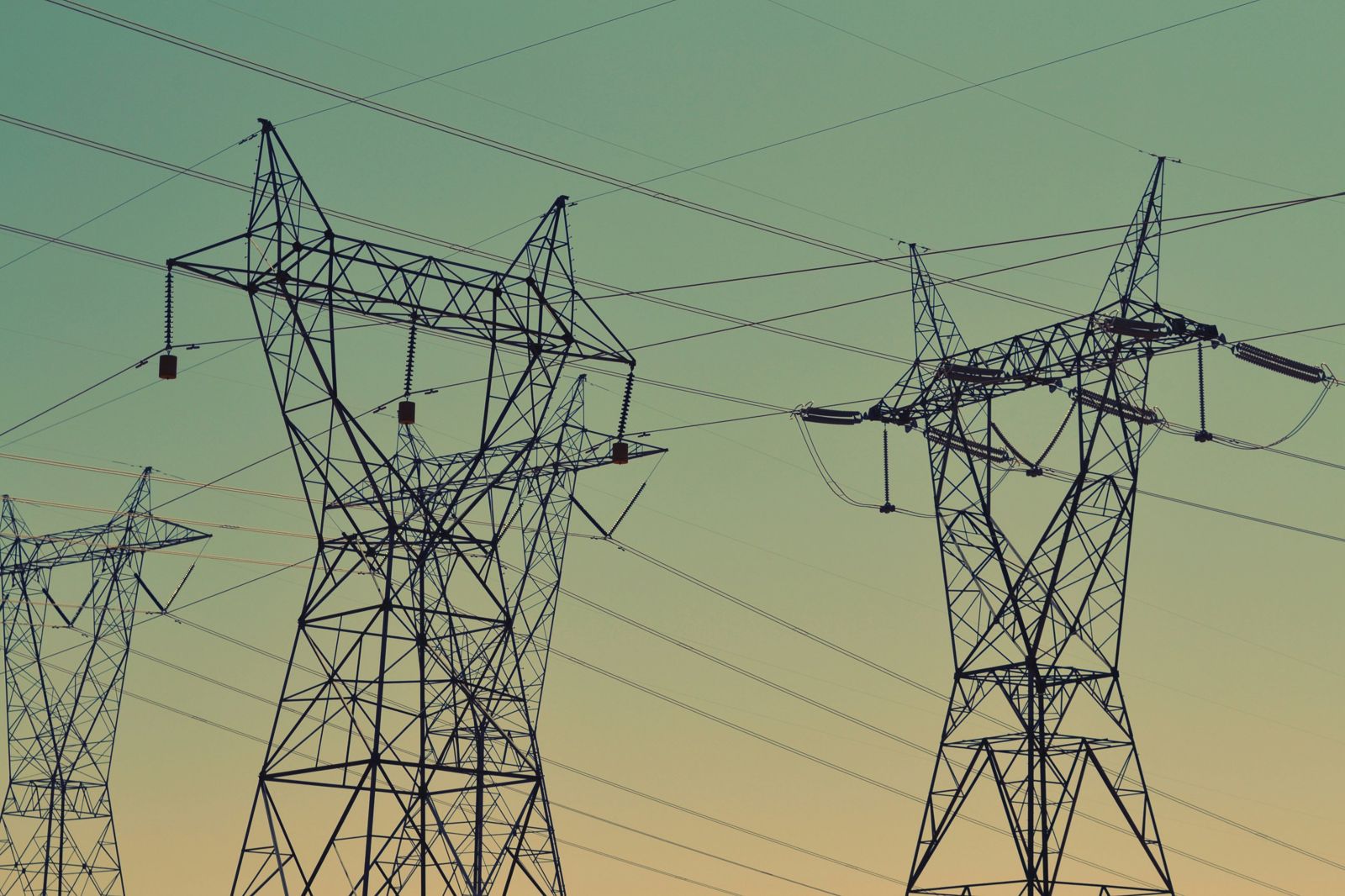
Ironically, AI is rapidly commoditizing downstream applications (software), yet simultaneously driving insatiable demand for one of the oldest, least-differentiated asset classes: physical commodities (electricity, critical minerals, raw materials). An inversion of commodity and scarcity in the supply chain.
Economics 101 teaches us that commodities are sold by price takers operating in perfectly competitive markets.
Since products are functionally interchangeable and the barriers to entry or exit are theoretically low, supply should eventually meet demand, which leaves no opportunity for economic profit in the long run.
Of course, this is an idealized market, but at first glance, the asset class does not sound appealing to venture capitalists who have historically hunted for monopoly-type market dynamics, deep product differentiation, and pricing power. Price makers.
Yet commodities are showing up in funding announcements and venture portfolios. The culprits of the shift:
- Infrastructure is today’s bottleneck…
- … allowing commodities to command a premium…
- … all while investors have started to grow numb to commoditization.
Investor appetite for deep tech and infrastructure is growing, driven by bottlenecks that AI has created: AI needs compute, compute needs energy, and energy needs materials. Jevons paradox suggests the bottleneck will only deepen: decreasing cost curves and cheaper compute will drive more usage and, therefore, more demand for the power behind it. At the same time, AI is eroding many software moats, making physical businesses look comparatively more defensible (hardware has patents!). In response, capital is moving upstream to the constraints creating imbalances in today’s supply and demand.
These imbalances allow (some) commodities to command a premium. A price taker cannot set global spot prices on open exchanges, but not every unit of a commodity is worth the same to every buyer. When supply is tight, buyers care about more than price, often favoring speed to deployment, proximity to demand, and reliability of supply. Power today next to a data center is worth far more than power available tomorrow.
All while investors have grown numb to commoditization. The fear no longer belongs only to traditional commodities. It now looms over every sector, sparking heated debate among investors about which moats are still defensible.
What to look for
So in today’s day and age of commodities, here is what to look for:
- A structural supply-demand deficit, where added capacity is guaranteed to be consumed. For example, it is hard to imagine a world that needs less electricity in 5 years.
- An insatiable need with buyers who value factors beyond baseline spot prices.
- A clear path to becoming a cost leader. As a price taker, the ability to sit at the bottom of the cost curve allows you to win on margins instead of price.
What to be cautious about
- Reliance on green premiums or government incentives (added extrinsic risk and questions on self-sufficiency).
- Diseconomies of scale: scaling alone doesn’t guarantee better unit economics. Wright’s law suggests that costs fall with every doubling of production, but not every business follows the curve.
At CoFound, investing in commodities goes against our natural instincts, but we recognize their undeniable value and the critical role they play in society.
In the gap between economic theory and reality, there’s room to flip the script. Commodities might not be as interchangeable as they initially appear, and the barriers to entry are often far from trivial. More to come on this.